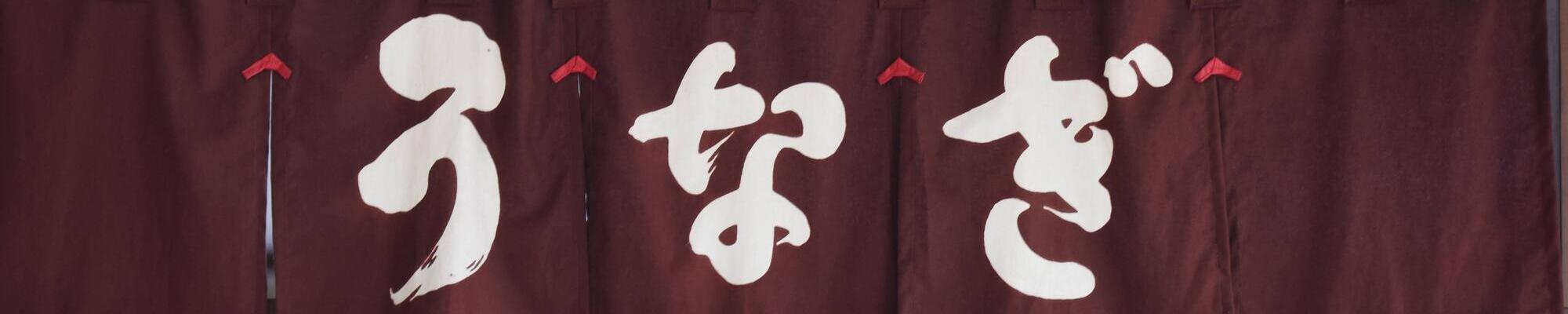
Eating Eel on Doyo no Ushi no Hi (Midsummer Ox Day)
It is believed that this tradition was actually invented by Dutch scholar Gennai Hiraga in the Edo period. Gennai Hiraga, born in Kagawa, was a polymath who thrived as an inventor, herbalist and writer.
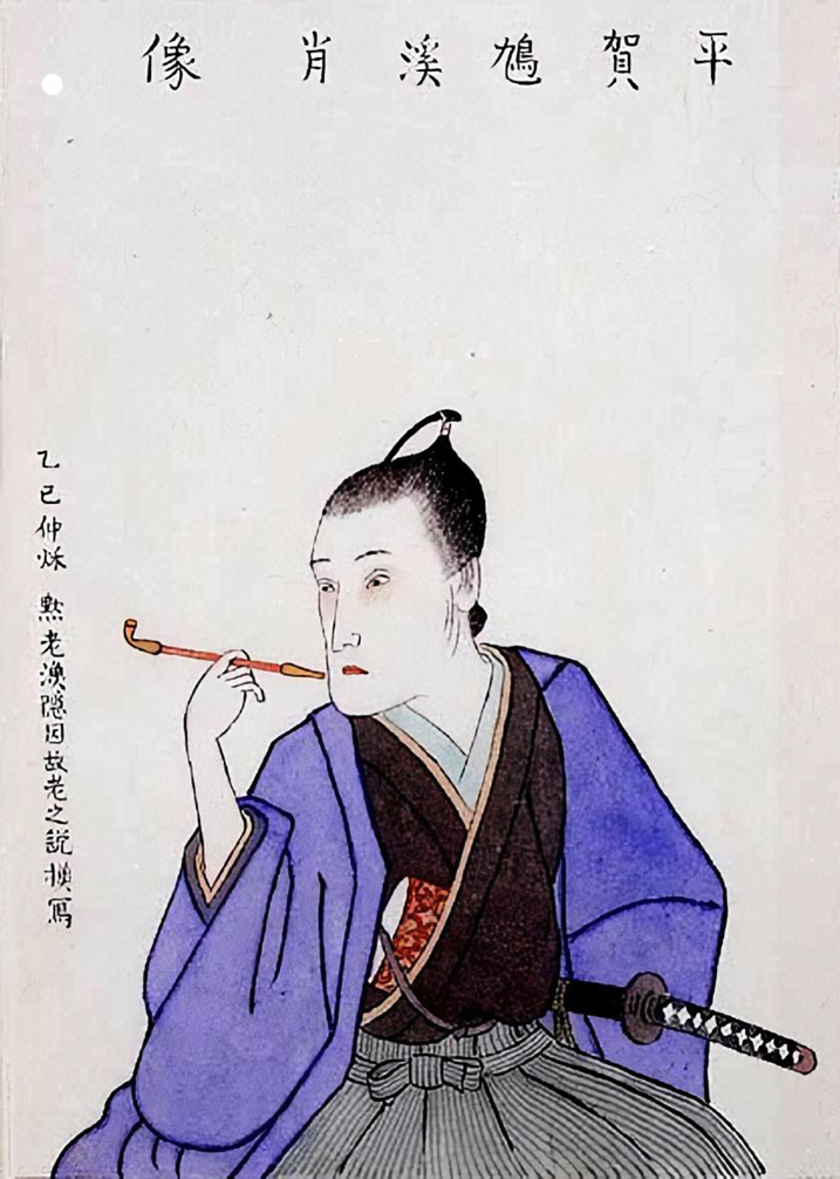
He came up with the idea when an eel restaurant owner asked him for advice because of concerns about the low demand for eel in summer, as eel is typically in season in the autumn and winter.
Drawing inspiration from the custom of eating foods starting with "u" on Midsummer Ox Day for good health, he reportedly advised the owner to put up a sign outside the restaurant saying: "Today is Doyo no Ushi no Hi."
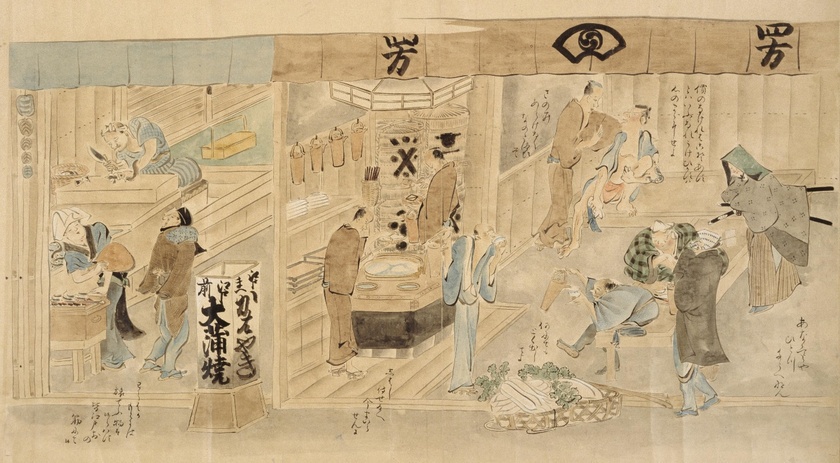
Scroll Three of Shokunin Zukushi Ekotoba: reproduction of paintings by Keisai Kuwagata, et al., National Diet Library Digital Collection https://www.ndl.go.jp/imagebank
According to the traditional Chinese philosophical concept Wuxing (five elements), Doyo is the 18-day period before the start of each new season: spring, summer, autumn and winter.
In the old days, days were represented by the twelve zodiac animals, such as the Rat, Ox, Tiger, Rabbit, Dragon and Snake. Because there are 12 animals, the Day of the Ox returns precisely once every 12 days.
The Day of the Ox that falls within the pre-autumn summer Doyo period became known as Doyo no Ushi no Hi, the day to eat eel.
A Visit to A Long-established Eel Restaurant by the Gobo River in Takamatsu
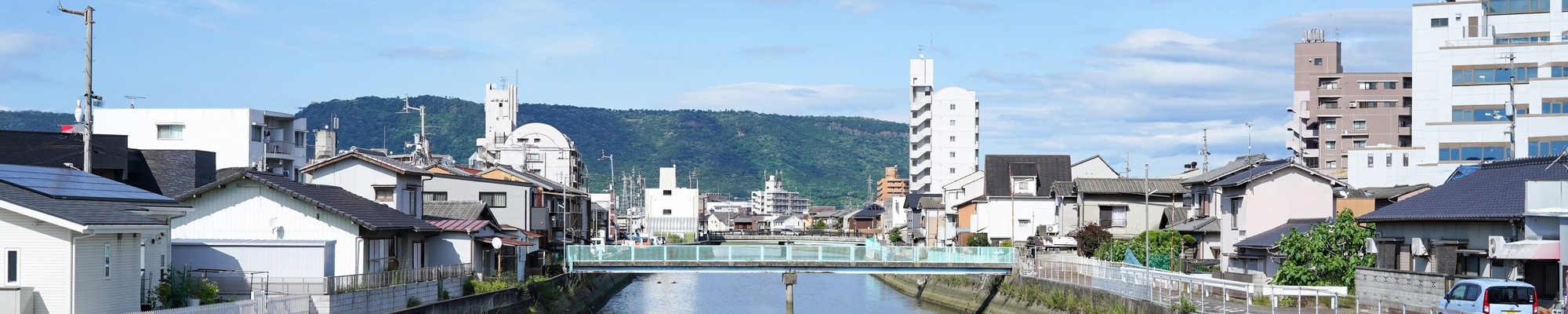
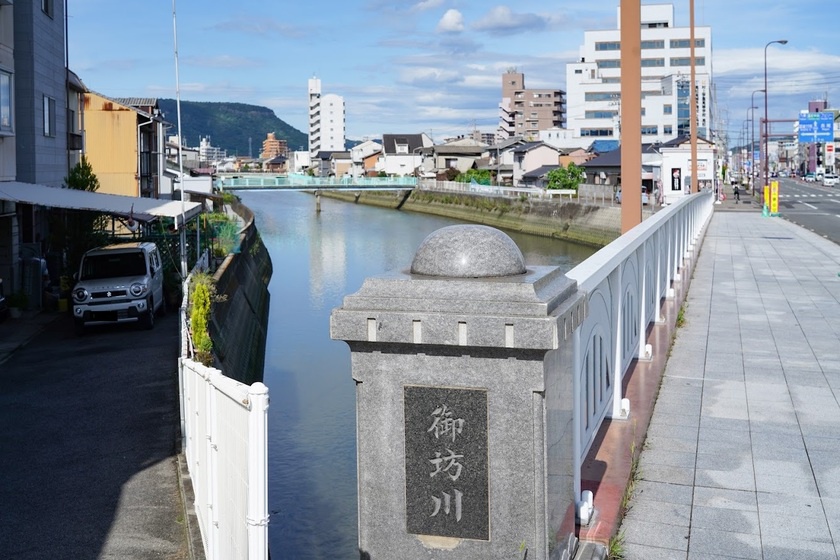
There are several eel restaurants along the Gobo River, which runs through the center of the city of Takamatsu.
We visited one of them, Unagiya Takeuchi.
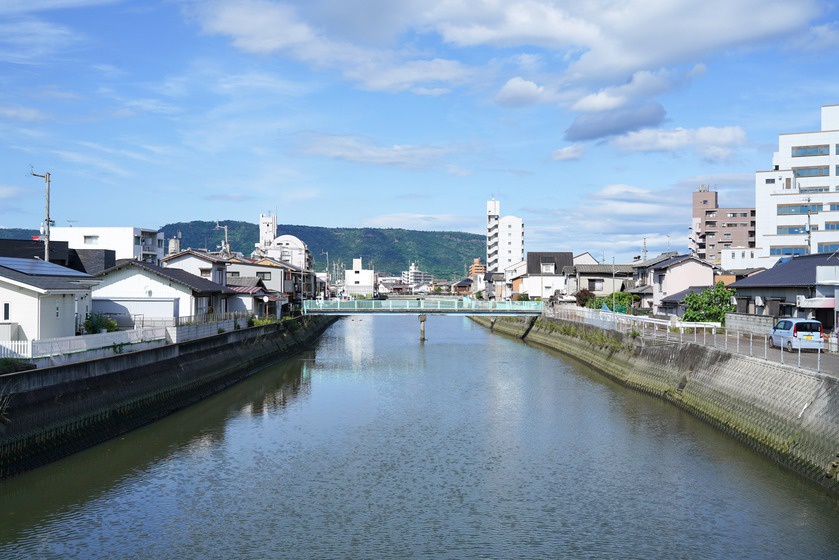
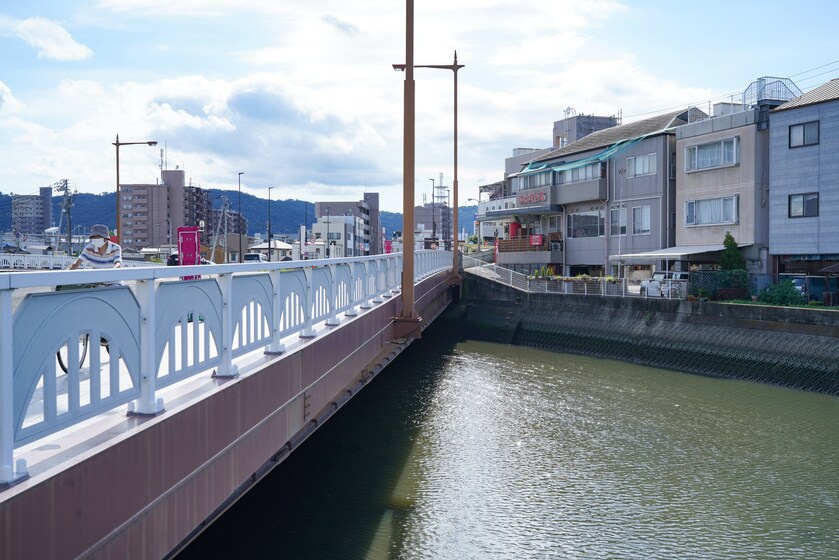
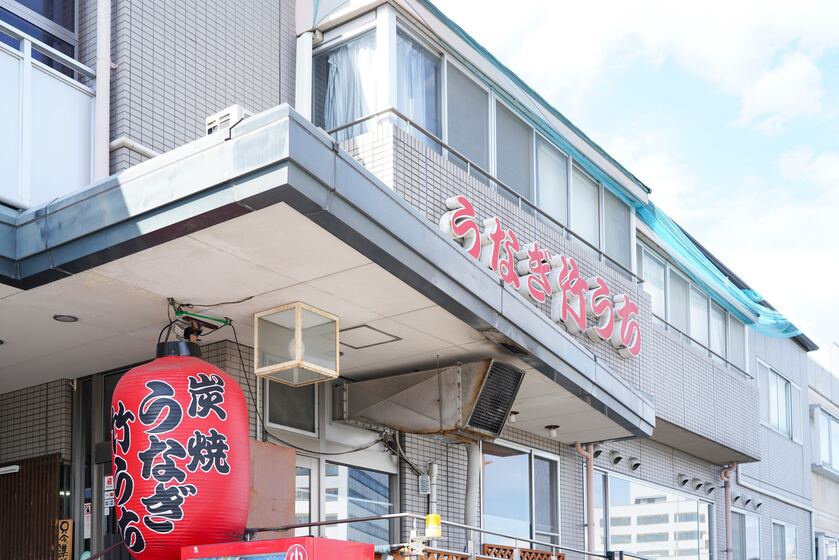
Unagiya Takeuchi was established in around 1935. It was originally a wholesaler that caught and farmed eel, carp, crucian carp and other freshwater species. It is believed that many freshwater fishmongers operated in the area near the Gobo River.
The previous owner of the business was known as a pioneer of eel farming in Kagawa.
The father of the current owner subsequently decided to open an eel restaurant.
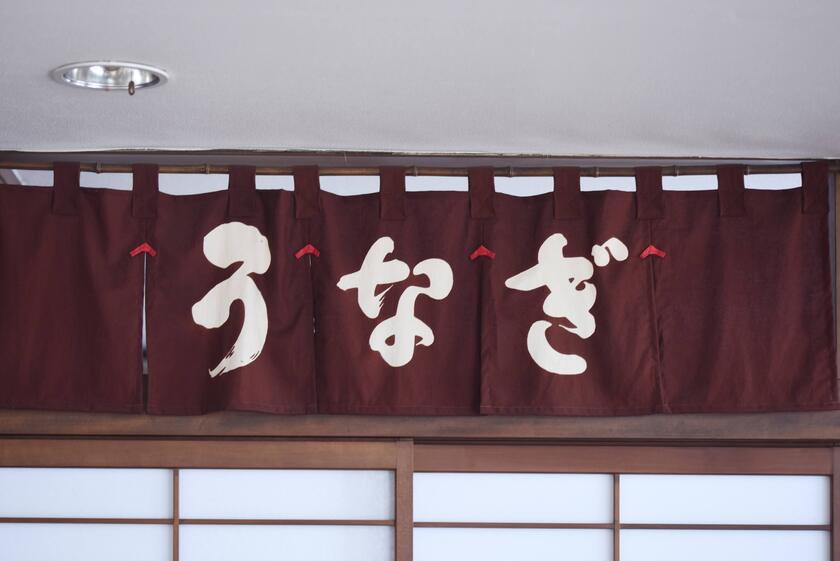
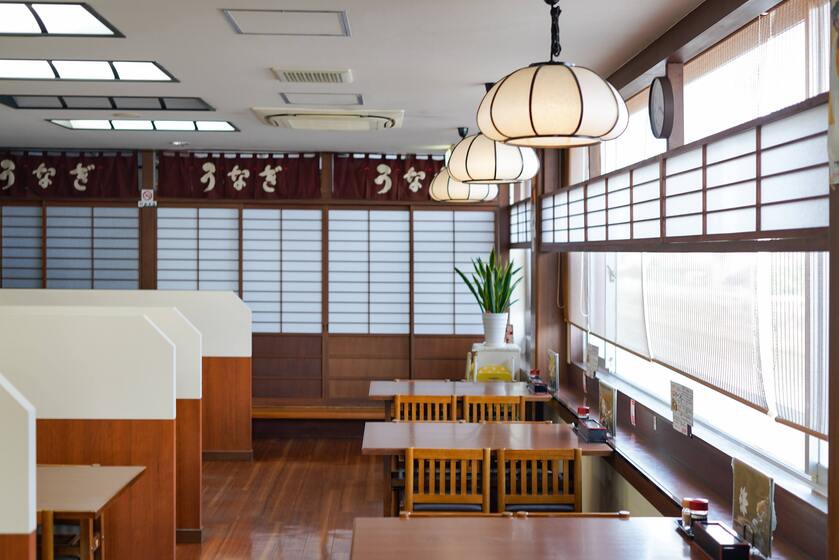
According to the History of Kagawa Prefecture Fisheries (published in 1994), intensive eel farming involving juvenile glass eels began in Kagawa in the late 1950s or early 1960s. During this period, consumers developed a strong appetite for premium experiences as their standards of living improved, increasing the demand for eel throughout Japan.
From around 1955 to 1975, there was a thriving eel farming industry in Takamatsu, where glass eels caught in rivers like the Gobo River and Kasuga River were raised in aquaculture ponds. However, the number of fish farmers peaked in the late 1970s and early 1980s and then started to decline.
Unagiya Takeuchi's main focus also shifted to the operation of restaurants, and they now source carefully selected domestic eels from places like Kagawa, Tokushima and Kagoshima. Their kabayaki, expertly grilled using a secret sauce, has remained a favorite of many people.
Eel is prepared differently in the Kanto and Kansai regions. In Kanto, raw eel is grilled without sauce, steamed, then grilled again with sauce. In the Kansai region, the steaming process is omitted.
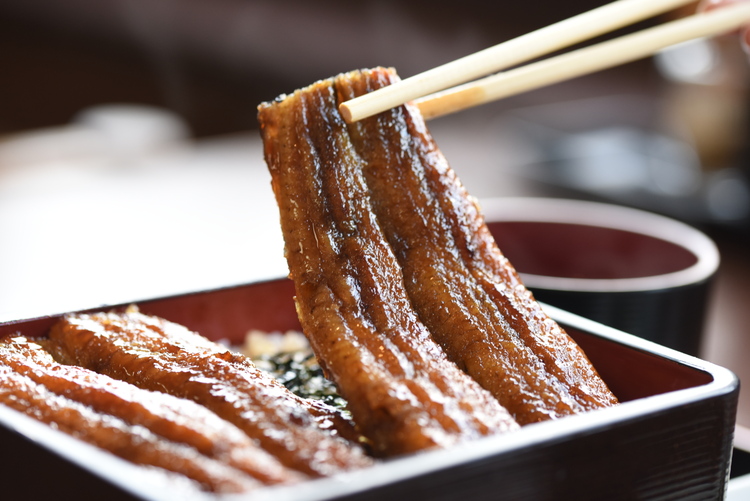
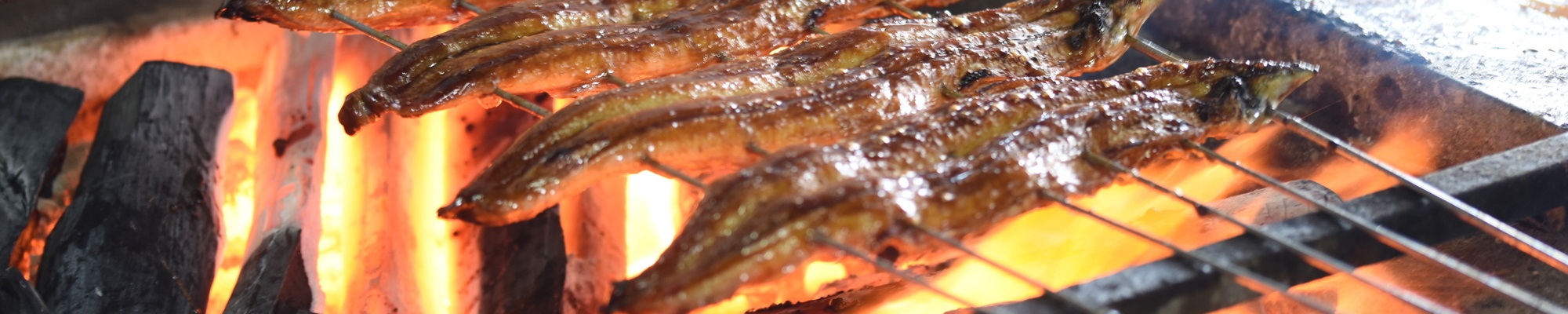
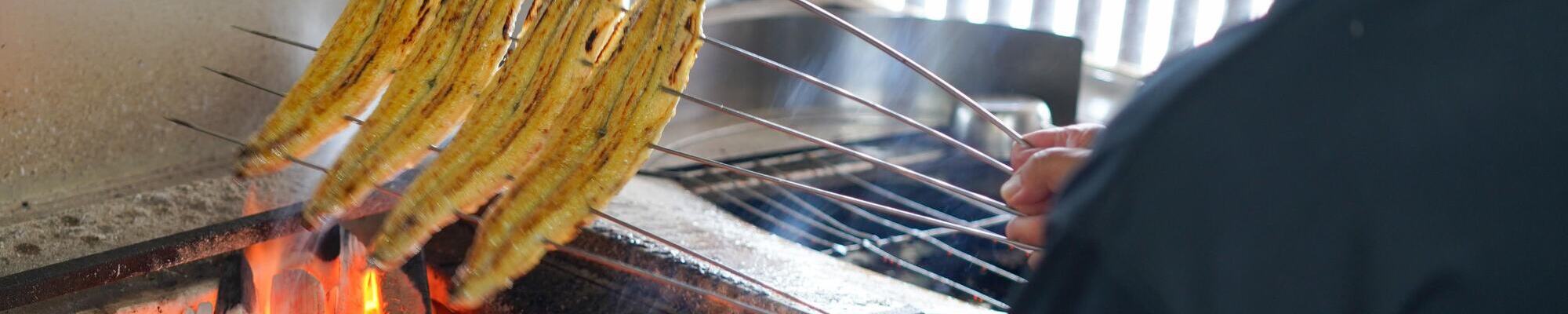
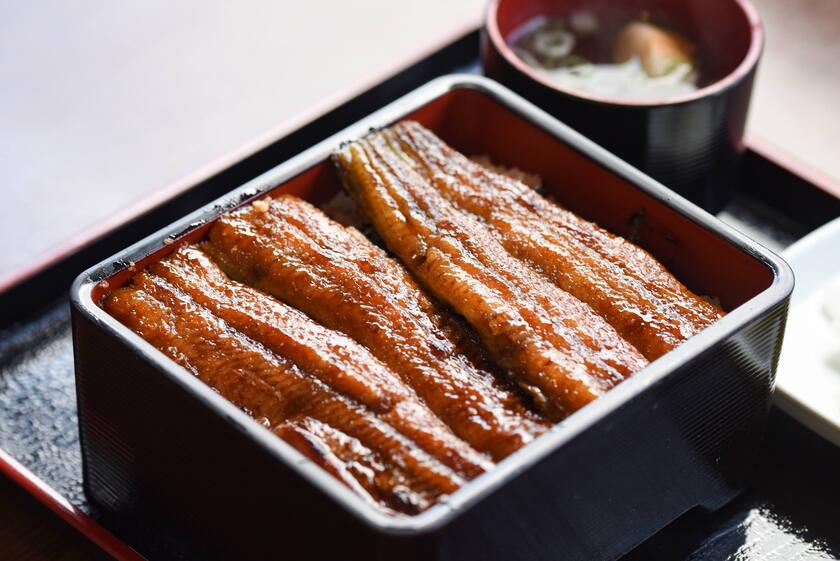
Unagiya Takeuchi serves Kansai-style eel prepared by grilling filleted eel without sauce, then grilling it again over charcoal after dipping it in sauce. Their Kansai-style eel is characterized by a crispy skin and tender meat.
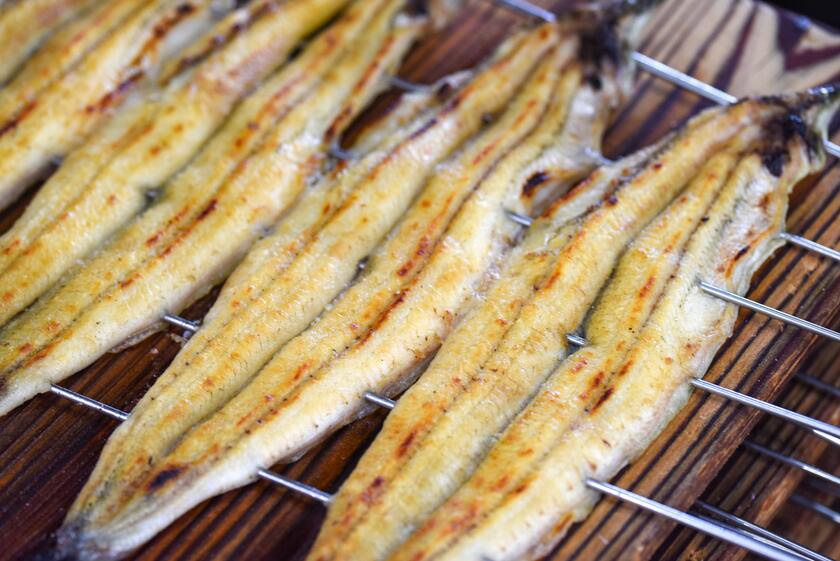
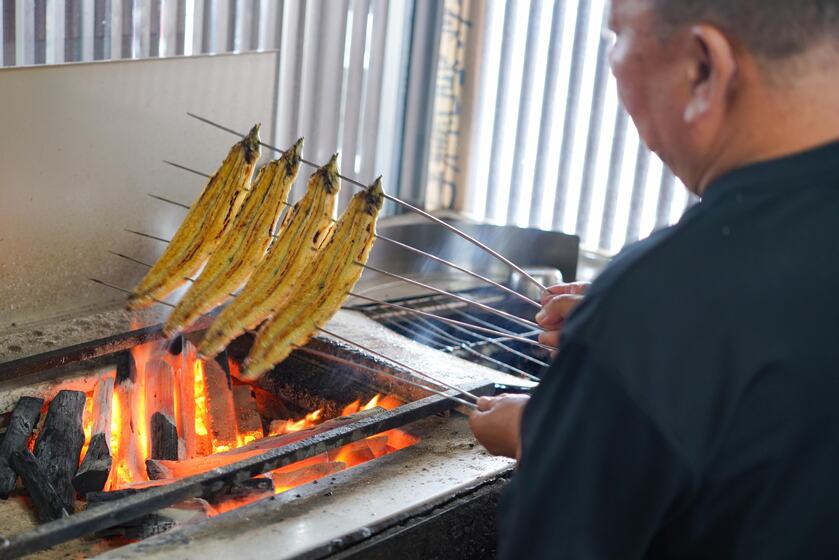
The rich sauce is prepared by blending two types of soy sauce (tamari and dark), mirin and coarse sugar. As the eel is grilled over charcoal, a sweet aroma and a sizzling sound fills the kitchen.
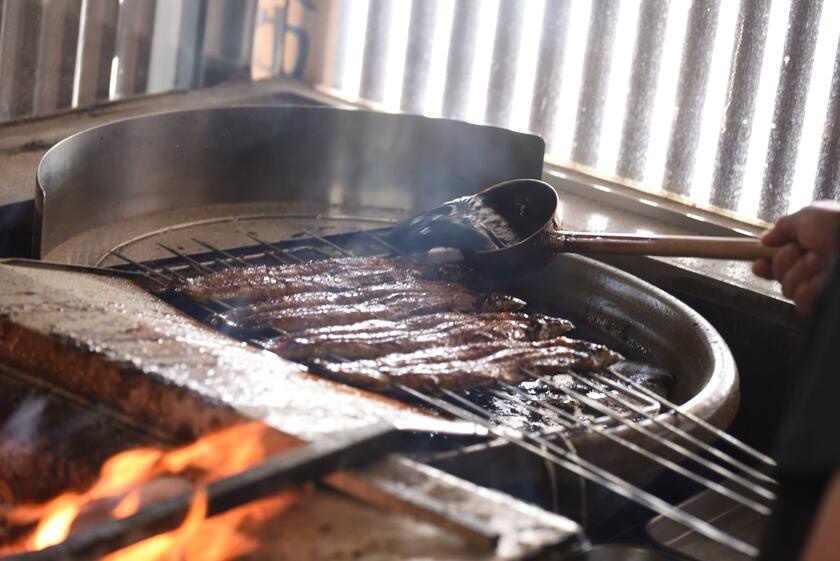
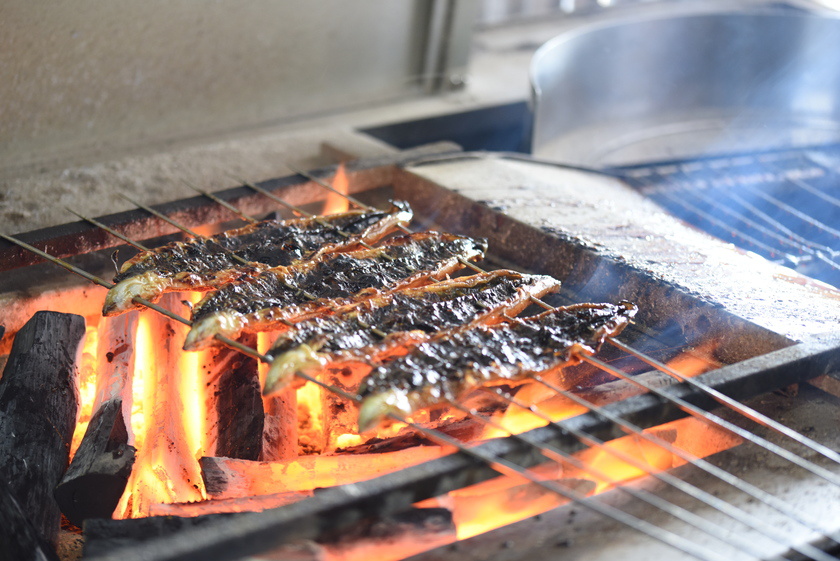
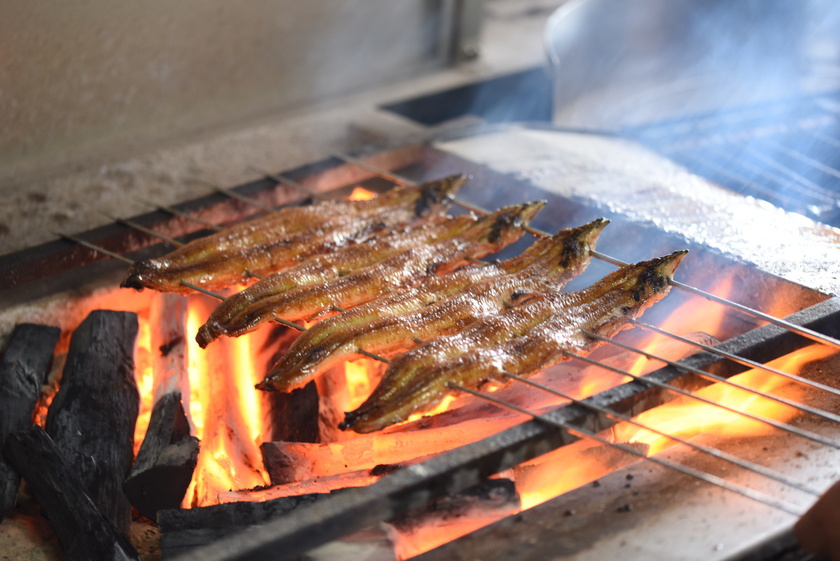
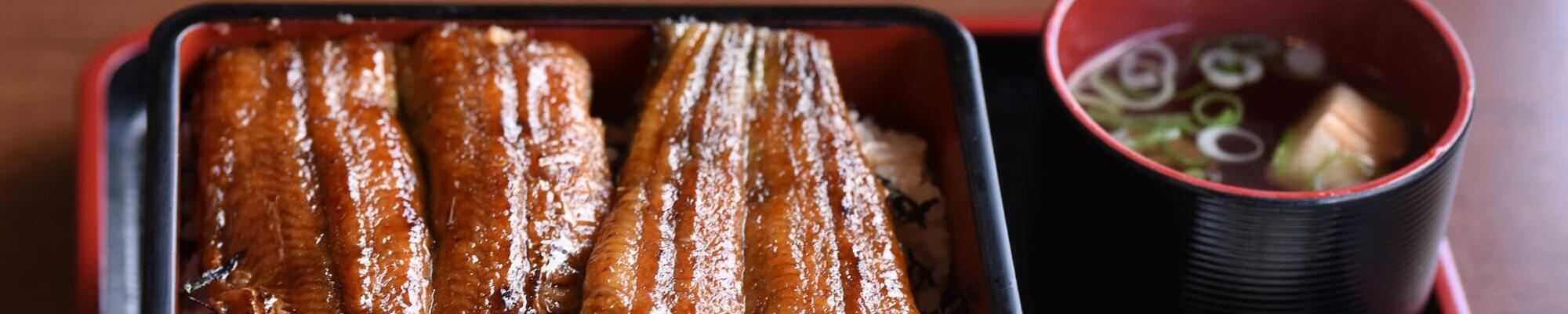
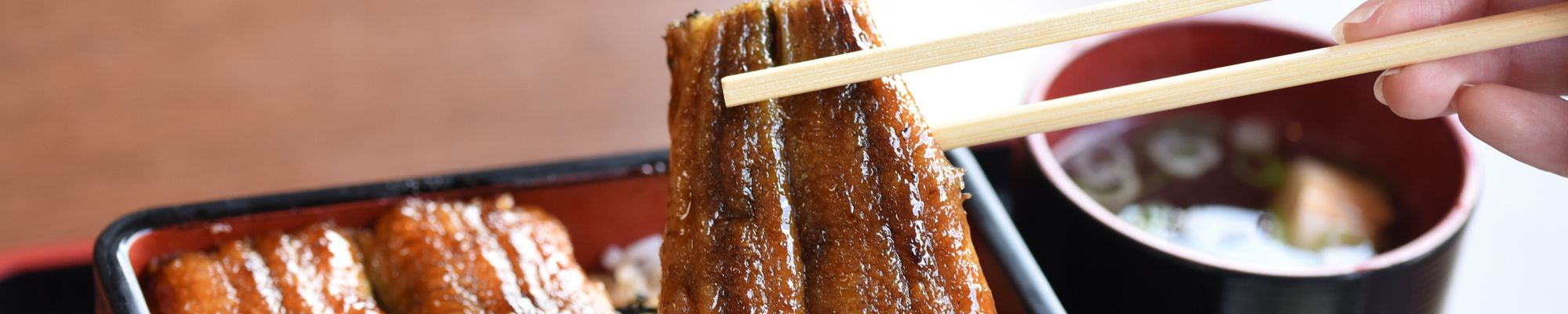
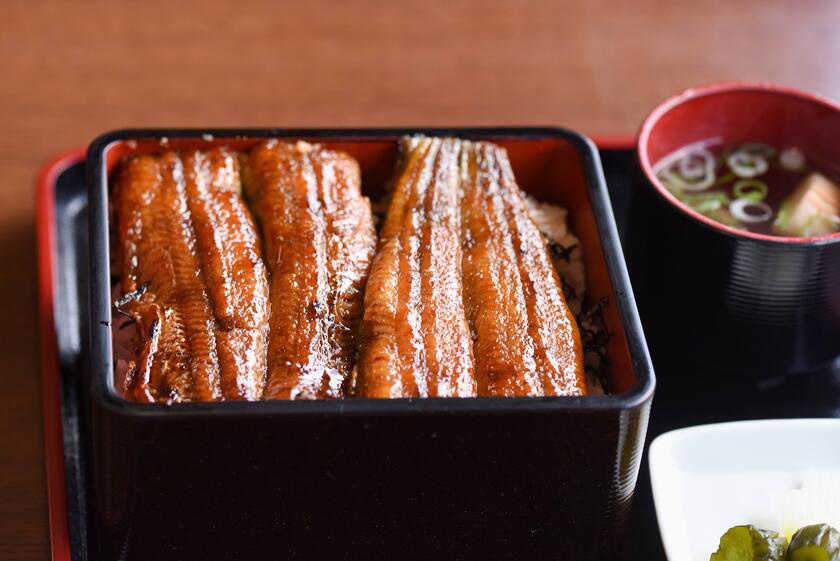
This is the ultimate in unaju (grilled eel on rice). It looks incredibly delicious. It is served with eel liver soup.
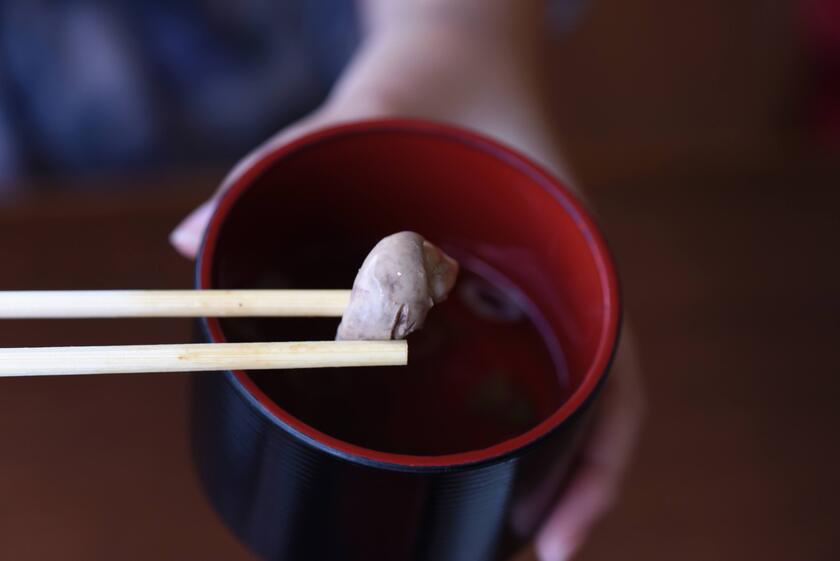
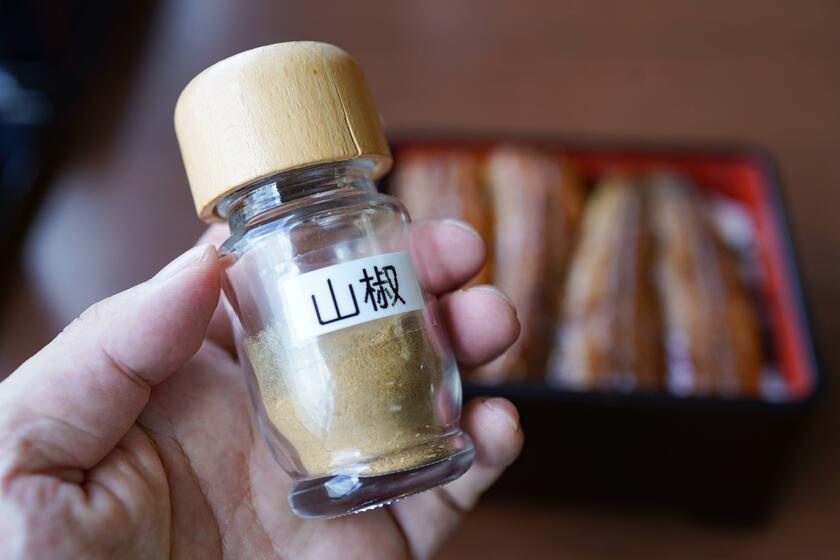
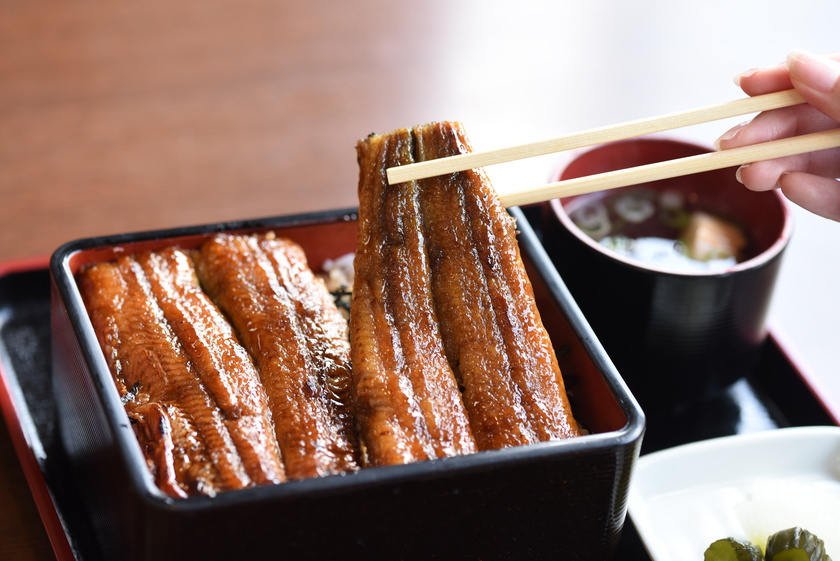
If desired, there is sansho (Japanese pepper) to sprinkle on the eel. The kind owner told us to sprinkle sansho between the rice and the kabayaki, rather than on top, to keep the aroma from escaping.
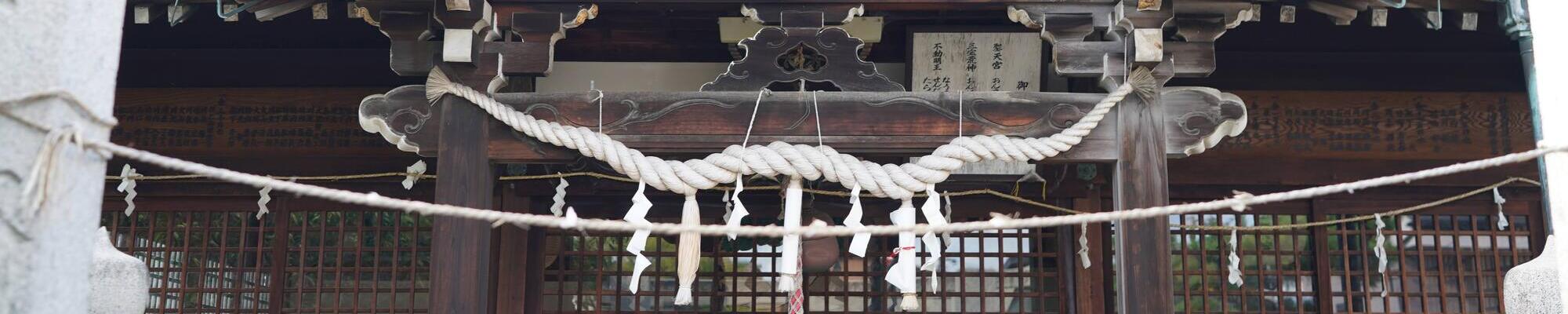
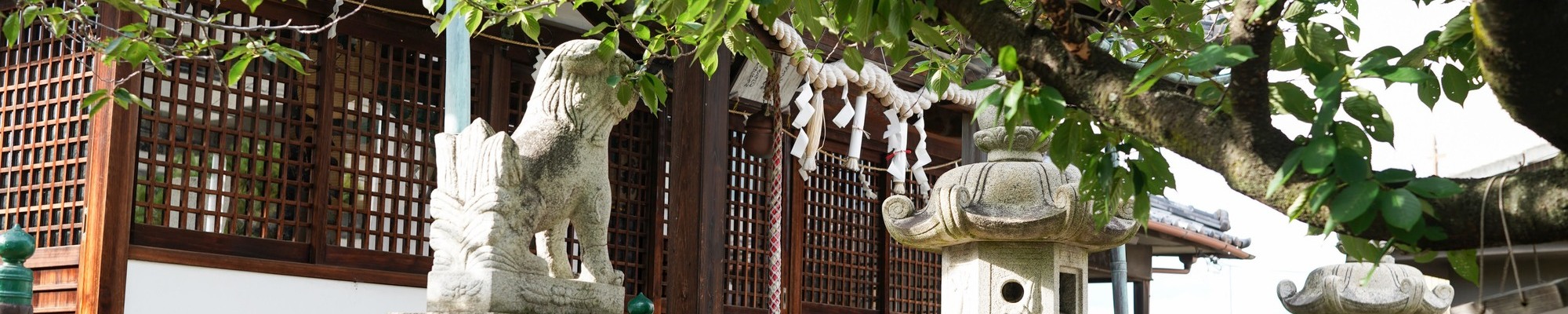
A stone monument still stands at the nearby Kawanaka Shrine to remind people of the freshwater fishing and fish farming that once thrived in the area.
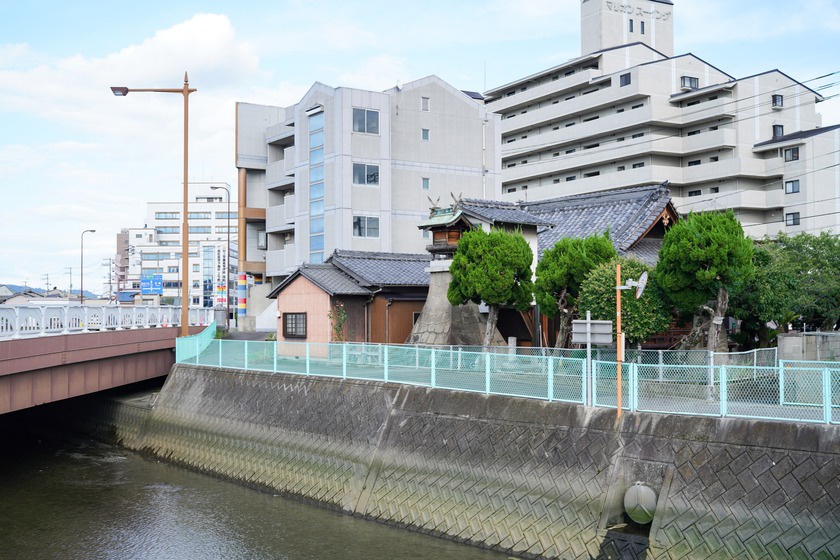
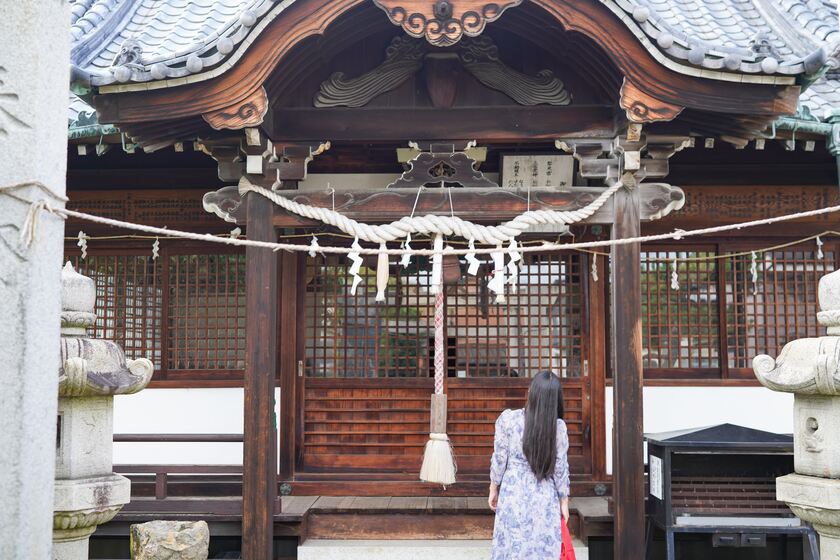
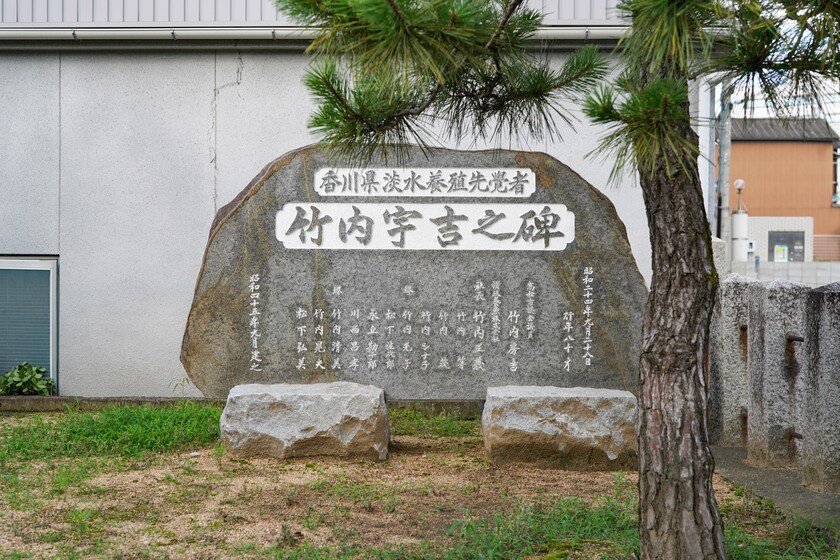
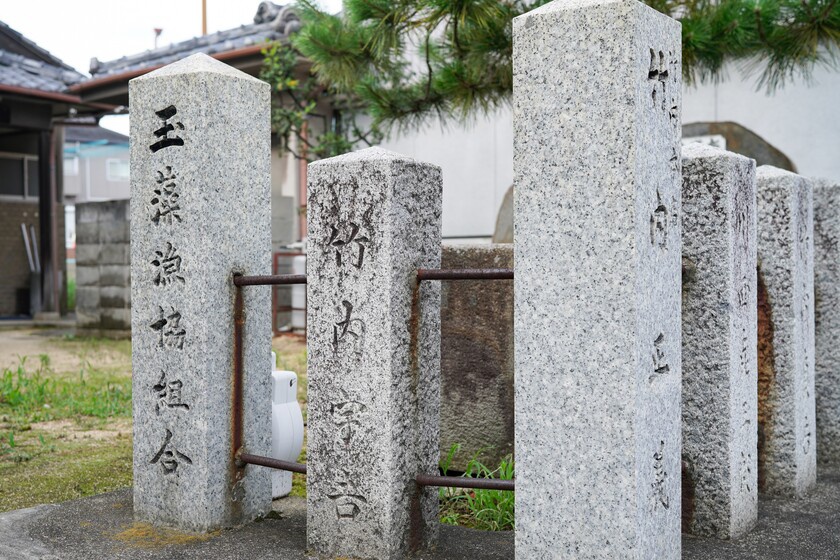
Why not visit a shrine after savoring delicious eel?
| Basic information | Unagiya Takeuchi |
|---|---|
| Address | 3-20-5 Tagacho, Takamatsu, Kagawa |
Eel Fishing in Historic Kagawa
In the past, people caught eels at the mouth of the Kasuga and Tsumeta Rivers, which run through Takamatsu, using a fishing method called shibatsuke (brushwood fishing). They set up stakes in the riverbed to hold the leafy branches of plants such as Japanese star anise, ubame oak and mugwort. The eels hiding in these branches are then scooped up with nets.
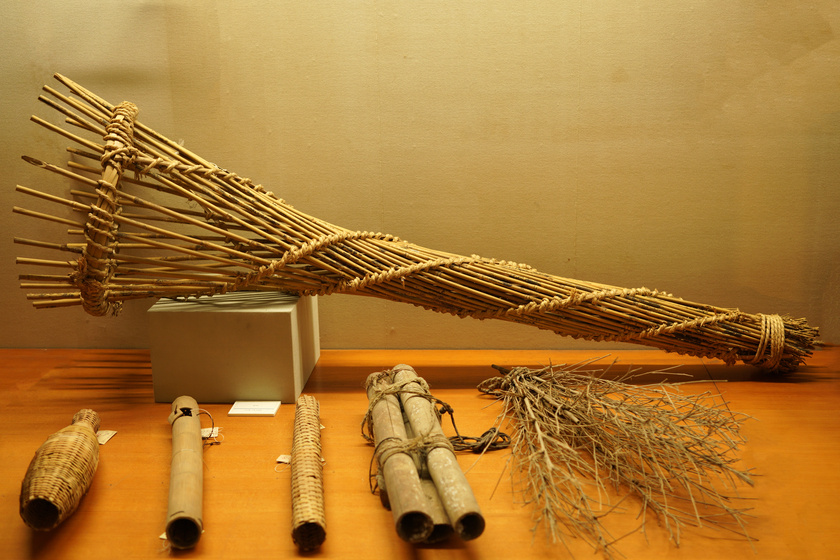
Seto Inland Sea Folk History Museum collection The items in the foreground were sourced within the city of Takamatsu.
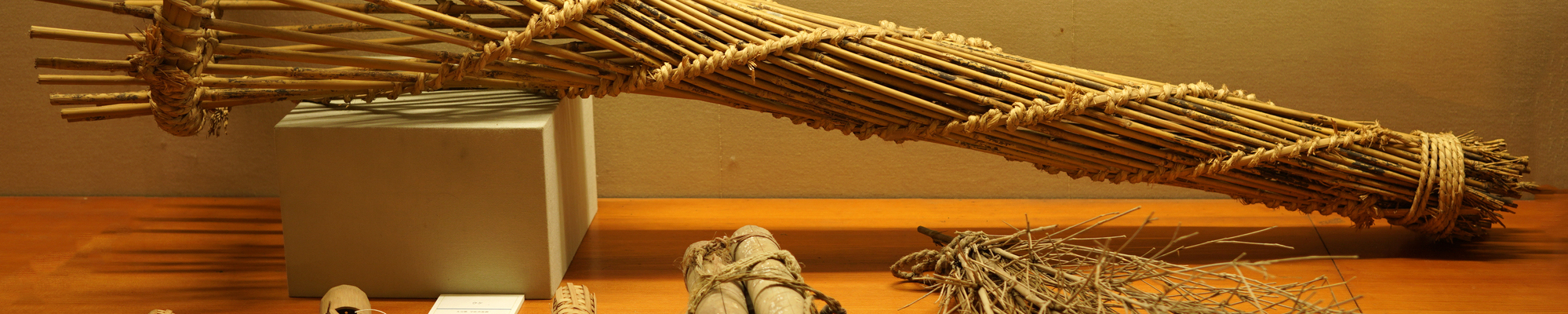
The rainfall in Kagawa is low, and it is dotted with many agricultural reservoirs used to grow rice. In autumn, local residents previously drained the reservoirs to catch the eels hiding at their bottoms. They used a tool called eel rake to fish eels out of the mud. It must have been a delicious post-harvest treat.
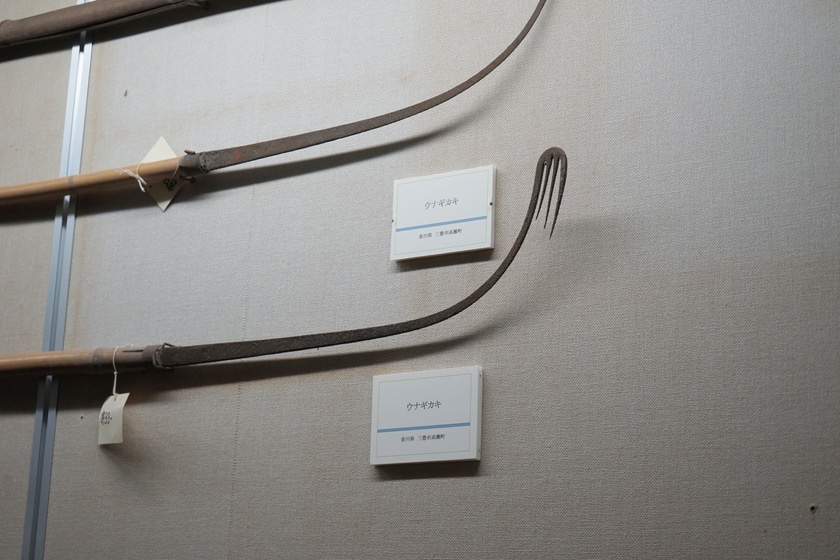
Seto Inland Sea Folk History Museum collection Eel rake It was sourced from outside Kagawa.
Eels were also caught in the Naiba and Kode Rivers that run through Shionoe-cho. They were dipped in sweet soy sauce and grilled. Unrefined sugar made of boiled-down sugarcane juice was said to be used to sweeten the soy sauce.
Why not savor eel while reflecting on the landscape of Kagawa and its eel culture?
References
The History of Kagawa Prefecture Fisheries, The History of Kagawa Prefecture Fisheries Editorial Committee Published in 1994
Dietary Habits of Kagawa, The Complete Collection of Japan’s Traditional Regional Cuisine 37 (Oral History) published by Rural Culture Association Japan Published in 1990
Gathering date:2026.10.6
- KEYWORDS